Avoid Council Fines: West Kensington Waste & Fly-Tipping Rules
If you live, work, or move property in West Kensington, waste disposal can become a lot more complicated than people expect. One missed bin day, one sofa left on the pavement, or one badly handled clear-out can turn into an avoidable council fine. And to be fair, most people do not set out to break any rules; they simply underestimate how strict waste and fly-tipping enforcement can be in London.
This guide on Avoid Council Fines: West Kensington Waste & Fly-Tipping Rules explains what fly-tipping is, why councils care so much, how waste should be handled, and the practical steps that help you stay on the right side of the rules. Whether you are clearing a flat, moving house, running a small business, or getting rid of bulky items, the aim here is simple: make the process cleaner, safer, and far less stressful.
You will also find a checklist, common mistakes to avoid, and a realistic look at which waste-handling options tend to suit different situations. Sometimes the smallest detail makes the biggest difference. A labelled bag, a proper receipt, a booked collection slot, a sensible loading plan - boring, maybe, but incredibly useful.
Expert summary: The safest way to avoid waste-related trouble in West Kensington is to separate your rubbish properly, use lawful disposal methods, keep proof of collection or transfer where relevant, and never leave items outside unless they are specifically approved for collection.
- Why the rules matter
- How waste and fly-tipping rules work
- Practical benefits of getting it right
- Who needs this guidance
- Step-by-step compliance guidance
- Expert tips
- Common mistakes
- Tools and resources
- Law, compliance and best practice
- Options and comparison
- Real-world example
- Checklist
- Conclusion
- Frequently asked questions
Why Avoid Council Fines: West Kensington Waste & Fly-Tipping Rules Matters
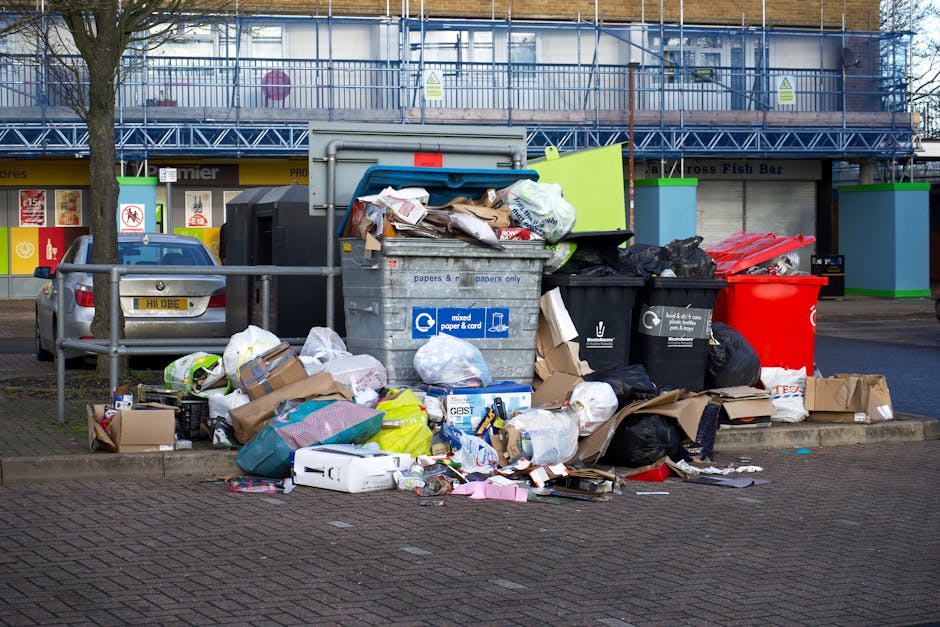
Waste rules are not just about keeping streets tidy, although that matters too. In a busy area like West Kensington, discarded rubbish can block pavements, attract pests, create hazards for pedestrians, and make whole streets look neglected very quickly. A single mattress or bag of mixed waste left where it should not be can become a problem for everyone nearby.
The council's enforcement approach exists for a reason: fly-tipping places an unfair burden on local services and neighbours. If waste is dumped illegally, the council may have to investigate, remove it, and determine who is responsible. That process can involve questions about addresses, vehicles, waste transfer records, and contractor details. It is not the sort of admin anyone enjoys on a Tuesday morning.
For households, the main risk is accidental non-compliance during a move, renovation, or declutter. For landlords and businesses, the risks expand quickly: skipped paperwork, unsecured bins, overfilled skips, and contractors who are not properly licensed can all become expensive headaches. Truth be told, many fines are the result of poor planning rather than bad intentions.
There is also a reputational side. In a neighbourhood where buildings are close together and rubbish is visible almost immediately, one careless pile can create complaints from residents and businesses within hours. You will notice that in dense urban streets, the difference between "temporary storage" and "illegal dumping" is sometimes only a matter of timing and permission.
How Avoid Council Fines: West Kensington Waste & Fly-Tipping Rules Works
At a practical level, avoiding fines comes down to understanding three things: what type of waste you have, who is responsible for it, and how it is removed. That sounds simple, but it is where many people trip up.
Household waste is normally handled through normal council collection systems, approved drop-off options, or lawful private collection. Business waste is different. Commercial rubbish usually requires more careful handling, especially when records, duty of care, and recycling arrangements are involved. Mixed waste from a property clear-out can fall somewhere in between and needs sorting.
Fly-tipping usually refers to waste dumped without permission on land not licensed for that purpose. That includes leaving items beside a full bin, dumping bags in a back alley, abandoning furniture after a move, or asking someone casually to "take it away" without checking how they dispose of it. That last one is the classic trap. The rubbish disappears from your sight, but responsibility may not disappear with it.
If you are working with a removals or waste collection provider, you should also expect a sensible process: clear communication, transparent loading, and some form of traceability. In many situations, it is wise to keep a receipt, job confirmation, or written record showing what was collected and by whom. This is especially useful if questions are raised later.
For people arranging a move, services such as home moves or house removalists can help reduce the chance of rubbish being left behind in the rush. If you are dealing with heavy items or awkward furniture, a dedicated furniture pick up can also keep things organised and lawful.
Key Benefits and Practical Advantages
Getting waste handling right in West Kensington is not just about avoiding penalties. There are several everyday benefits that make life easier.
- Fewer fines and complaints: Good disposal habits reduce the chance of enforcement action or neighbour disputes.
- Safer streets and property access: Clear pavements and entrances make deliveries, removals, and daily foot traffic much easier.
- Less stress during moves or refurbishments: If rubbish is handled early, the end of the project feels calmer and more controlled.
- Better contractor accountability: When you know who removed what, you are not left guessing later.
- Cleaner final handover: This matters for tenants, landlords, estate agents, and business owners alike.
There is a practical side many people miss: lawful waste management tends to save time. You do not spend the next week chasing missing items, apologising to neighbours, or trying to work out what happened to that pile of packaging and broken shelving. It is one less thing hanging over you.
For businesses, the advantage is even clearer. Using services like commercial moves or office relocation services can help separate reusable items, packaging, old fixtures, and general waste before they become a compliance issue.
Who This Is For and When It Makes Sense
This guidance is for anyone in West Kensington who creates, handles, or moves waste. That includes a lot of people, more than they first realise.
- Homeowners clearing lofts, sheds, or gardens
- Tenants moving out and needing to leave a property clean
- Landlords dealing with abandoned items after a tenancy
- Estate agents and property managers arranging clearances
- Small businesses disposing of office furniture or packaging
- Shop owners replacing fittings or stock-room equipment
- Anyone hiring help for bulky waste, removals, or loading
It makes sense whenever waste is too large, too heavy, too messy, or too frequent for ordinary household bins. It also makes sense when you are under time pressure. Let's face it, most mistakes happen when people are rushing to finish a move before the keys are handed over or the van has to leave.
If your project includes lifting, transport, or mixed household items, a flexible option such as man and van or man with van can be useful, especially when the load is too much for a car but not enough for a full lorry. For heavier loads, a moving truck or removal truck hire may be the better fit.
Step-by-Step Guidance
If you want a straightforward way to stay compliant, follow a process rather than improvising on the day. A tidy plan beats a frantic one every time.
- Identify the waste type. Separate household rubbish, bulky items, recyclable materials, electricals, garden waste, and anything potentially hazardous. A paint tin is not the same as a cardboard box. Obvious, yes, but easy to ignore.
- Check what can go in normal collections. Some items can be placed in regular bins or collected through booked local services. Overfilling or leaving extras beside bins is where trouble starts.
- Arrange the right removal method. Choose between council collection, a lawful private clearance, or a move-related service that can take bulky items away properly.
- Confirm who is responsible. If a landlord, tenant, contractor, or business owner is involved, make sure everyone understands who is handling the waste.
- Keep the area clear until collection. Do not place items on the pavement early unless they are specifically booked and permitted. Early placement can still count as an issue.
- Request proof where relevant. For private clearances, keep receipts, job notes, or written confirmation. It is simple admin, but useful if questions come up later.
- Inspect the site afterwards. Check corners, behind doors, under shelving, and in shared spaces. Left-behind packaging and a stray chair leg can be surprisingly easy to miss.
If the project is larger, include packing support early. A service such as packing and unpacking services can reduce breakage, speed up sorting, and make waste separation easier before anything is loaded.
Expert Tips for Better Results
Over time, a few habits make a big difference. These are the small, practical things that prevent bigger problems.
1. Sort before the van arrives. If everything is mixed together in one pile, it takes longer to load and harder to dispose of correctly. Separate items into keep, donate, recycle, and remove. Even a rough first pass helps.
2. Photograph the load. This is not about being paranoid. It is just a sensible record of what was collected, especially for flats, shop clear-outs, and landlord work. A couple of quick photos on your phone can be worth their weight in tea later.
3. Ask direct questions. If you are hiring help, ask how waste will be handled, whether items are reused or disposed of, and whether the service is suitable for your load type. Good providers answer clearly. Vague answers are a red flag.
4. Think about access early. In West Kensington, access can be awkward: narrow hallways, shared entrances, limited parking, basement stairs. If items are hard to move, plan the route before collection day. That small bit of thought saves a lot of back-and-forth.
5. Don't assume someone else has it covered. If a contractor brings materials in, ask what happens to the packaging and offcuts. If a tenant leaves behind rubbish, clarify responsibilities before the handover. The assumption game gets expensive fast.
Common Mistakes to Avoid
Most council fine situations come down to predictable mistakes. The good news? They are easy to avoid once you know what to look for.
- Leaving rubbish beside bins: Even if the bin is full, adjacent bags can still be treated as an issue.
- Dumping items after a move: "We'll deal with it tomorrow" often turns into fly-tipping complaints by evening.
- Hiring an unverified collector: If someone offers to take waste away cheaply and cannot explain how it is disposed of, be cautious.
- Mixing regular waste with special items: Furniture, electricals, and building waste may need different handling.
- Ignoring shared spaces: Stairwells, forecourts, rear alleys, and communal gardens can all be affected.
- Not keeping records: No receipt, no note, no confirmation. That is a poor position to be in if a question comes up.
- Using the wrong vehicle or capacity: Overloading a small van means awkward rehandling, delayed disposal, and more risk of items being left behind.
The most common pattern is simple: people are busy, tired, and trying to finish quickly. That is exactly when mistakes happen. A little structure stops the scramble.
Tools, Resources and Recommendations
You do not need complicated systems to handle waste well. A few practical tools are enough for most jobs.
- Colour-coded bags or labels: Helpful for separating reuse, recycle, and dispose piles.
- Basic inventory list: Useful for flats, offices, and house clearances so nothing important gets thrown out by mistake.
- Phone camera: Quick before-and-after photos provide a simple record.
- Measuring tape: Handy when deciding whether bulky items will fit through doors or into a vehicle.
- Protective gloves and sacks: Sensible for mixed rubbish, especially in lofts, cupboards, or garden spaces.
For larger household clearances, a vehicle and service combination matters. A full property move can be easier with home moves support, while larger domestic transport needs may point toward moving truck options. If a particular item just needs direct collection, furniture pick up can be the cleaner, simpler answer.
One sensible recommendation: choose the disposal method based on the mess, the weight, and the deadline, not just the cheapest quote. Cheap and quick is lovely in theory. In waste removal, it often is not.
Law, Compliance, Standards, or Best Practice
Waste and fly-tipping rules in the UK are built around responsibility, traceability, and lawful disposal. The exact enforcement approach can vary by council and by the type of waste involved, so it is always wise to check local requirements before setting anything out or arranging a collection. That cautious note matters, because what is acceptable for one waste type may not be acceptable for another.
As a general best practice, keep these principles in mind:
- Do not leave waste in public spaces unless there is a confirmed, permitted collection arrangement.
- Use reputable collectors who can explain how waste is handled.
- Keep records for business waste, property clearances, and larger removals.
- Separate materials where practical to support recycling and easier handling.
- Do not rely on verbal arrangements alone when the load is significant or the site is shared.
For businesses especially, a clear process is part of normal good practice. If you are moving stock, equipment, or furniture, services such as office relocation services or commercial moves can help structure the job properly rather than turning it into a last-minute pile in the corridor.
If you want to understand the service relationship, scheduling, and customer responsibilities in more detail, it is also worth reviewing the provider's terms and conditions and privacy policy. That is especially useful when records, access details, or job information need to be handled carefully.
Options, Methods, or Comparison Table
Different disposal routes suit different situations. The right choice depends on how much waste you have, how quickly it needs to go, and whether items are bulky, mixed, or business-related.
| Option | Best for | Strengths | Watch-outs |
|---|---|---|---|
| Normal council collection | Routine household waste | Simple, familiar, often the most straightforward for everyday rubbish | Not suitable for bulky items or overfilled bins |
| Private bulky waste removal | Furniture, mixed clear-outs, urgent jobs | Flexible, faster, useful for awkward items | Quality varies; use only a provider you trust |
| Move-based removal service | House moves, office moves, end-of-tenancy clear-outs | Can combine transport and waste handling in one plan | Needs clear instructions and good scheduling |
| DIY disposal | Small loads where you can lawfully transport and sort waste | Full control, sometimes convenient | Time-consuming, physically demanding, easy to get wrong |
In practice, many West Kensington residents end up using a mixed approach. A few bags go in the normal bin, a sofa is collected separately, and the rest is moved or stored. That is perfectly normal. What matters is keeping each stream clean and lawful.
Case Study or Real-World Example
A fairly typical example: a tenant in a West Kensington flat is moving out on a Friday afternoon. The property still has a broken wardrobe, a pile of packaging, and some small household waste. The temptation is to leave the lot near the front entrance and "sort it later".
Instead, the tenant separates the items the day before. Cardboard is flattened, reusable bits are set aside, and the wardrobe is booked for collection with other bulky items. A removal team arrives with the right vehicle, the hallway stays clear, and the flat is handed back without complaint. Nothing dramatic happened. Which is exactly the point.
Now compare that with the less tidy version. The rubbish is left by the street, rain gets into the cardboard, neighbours complain, and someone has to explain why items were dumped outside the building. Even if a fine does not follow immediately, the stress and embarrassment are real enough. One small delay and suddenly the day has gone sideways.
That is why a simple, documented process is so valuable. It keeps the whole job calm, and calm is underrated.
Practical Checklist
Use this quick checklist before you put anything out, book a collection, or hand waste to a contractor.
- Have I separated rubbish, recyclables, and bulky items?
- Do I know which items need special handling?
- Is this waste allowed in regular household collections?
- Have I arranged a lawful collection or removal method?
- Do I know who is responsible for the waste at each stage?
- Have I kept a record, receipt, or confirmation where needed?
- Is the collection point safe and clear?
- Have I checked access, parking, and loading space?
- Have I confirmed what happens to the items after removal?
- Have I inspected the property for leftover rubbish or packaging?
If you can tick those off, you are in a much stronger position. Not perfect, perhaps, but strong enough to avoid most of the avoidable mess.
Conclusion
West Kensington waste rules are not especially glamorous, but they matter more than most people expect. The key is simple: treat waste as something to plan, not something to dump and forget. Once you separate items properly, use the right collection method, and keep a basic record of what happened, the risk of fines drops sharply.
That approach is useful whether you are moving house, clearing a flat, refurbishing a workspace, or dealing with an awkward sofa that will not fit through the stairwell. Small, careful steps go a long way. And honestly, that is usually the difference between a smooth job and a very annoying one.
If you want a straightforward way to stay organised, reduce hassle, and avoid council trouble, choose a clear disposal plan before the rubbish starts piling up. You will thank yourself later, probably while enjoying a properly empty room and a much quieter street.
Get a free quote today and see how much you can save.
Frequently Asked Questions
What counts as fly-tipping in West Kensington?
Fly-tipping is generally the illegal dumping of waste on land that is not licensed or approved for that purpose. It can include bags left beside bins, furniture abandoned on pavements, or rubbish dumped in shared spaces without permission.
Can I leave waste outside my property for collection?
Only if it is part of a proper, permitted collection arrangement. Leaving waste outside early or without approval can still create enforcement problems, even if you intend to remove it later.
Do I need proof when hiring someone to remove waste?
Yes, it is sensible to keep proof such as a receipt, booking confirmation, or written note of what was collected. That record can be useful if there are questions later about responsibility or disposal.
What should I do with bulky items like sofas or wardrobes?
Bulky items usually need a separate collection or removal method. Services such as furniture pick up or a removal vehicle can be a better fit than trying to squeeze them into standard waste arrangements.
Are business waste rules stricter than household waste rules?
Often, yes. Business waste usually needs better record-keeping and a clearer disposal process. Even small offices or shops can get caught out if packaging, fixtures, or old furniture are handled casually.
What is the safest way to avoid council fines during a move?
Plan the move in stages, sort items before collection day, keep walkways clear, and use a lawful removal service for anything bulky or awkward. A little organisation helps more than people think.
Can a man and van service help with waste-related jobs?
Yes, if the service is suitable for the load and the items are being handled lawfully. A man and van or man with van option can be practical for mixed loads, smaller clear-outs, and awkward transport jobs.
What happens if rubbish is left in a communal area?
Shared hallways, rear yards, stairwells, and communal entrances are common trouble spots. If items are left there without approval, they can cause complaints and may be treated as a waste or fly-tipping issue.
Is it worth using packing help before disposal or moving day?
Often, yes. Packing and unpacking services can make sorting much easier, reduce breakages, and stop useful items from getting mixed in with rubbish. It saves time, and usually a few headaches too.
How do I choose between a moving truck and removal truck hire?
Think about volume, access, and whether you need a full transport solution or something more flexible. Larger, heavier jobs often suit a moving truck or removal truck hire better than trying to manage everything in a smaller vehicle.
What if I am not sure whether an item is waste or recyclable?
When in doubt, separate it and check before disposal. Mixed items can create problems if they are thrown out without thought, especially where electricals, metal, wood, or packaging are involved.
Where can I learn more about the provider's policies?
You can review the site's about us page, as well as its terms and conditions and privacy policy, to understand how the service is structured and how customer information is handled.