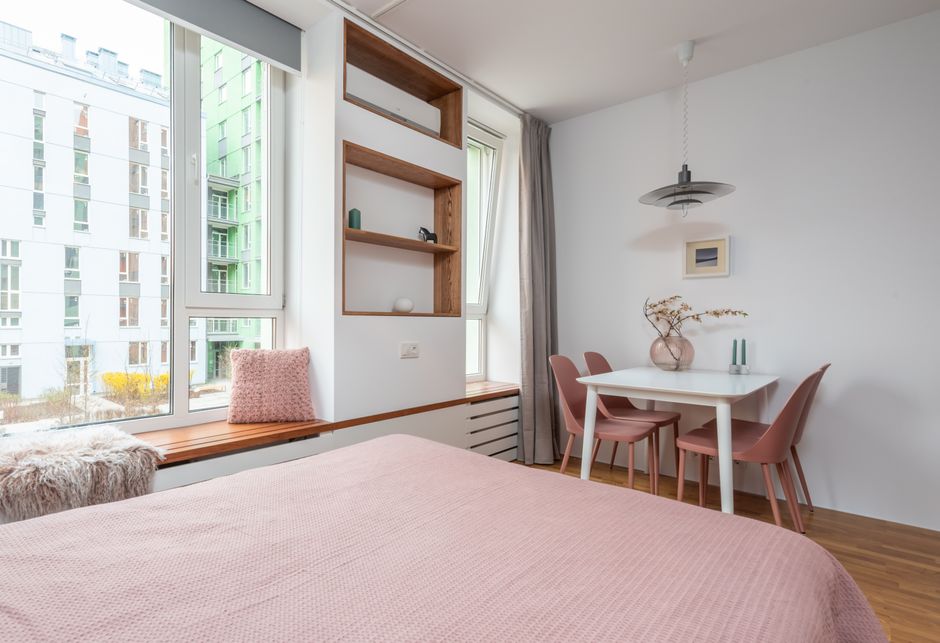
Studio-to-Family Flat Move: A West Kensington Case Study
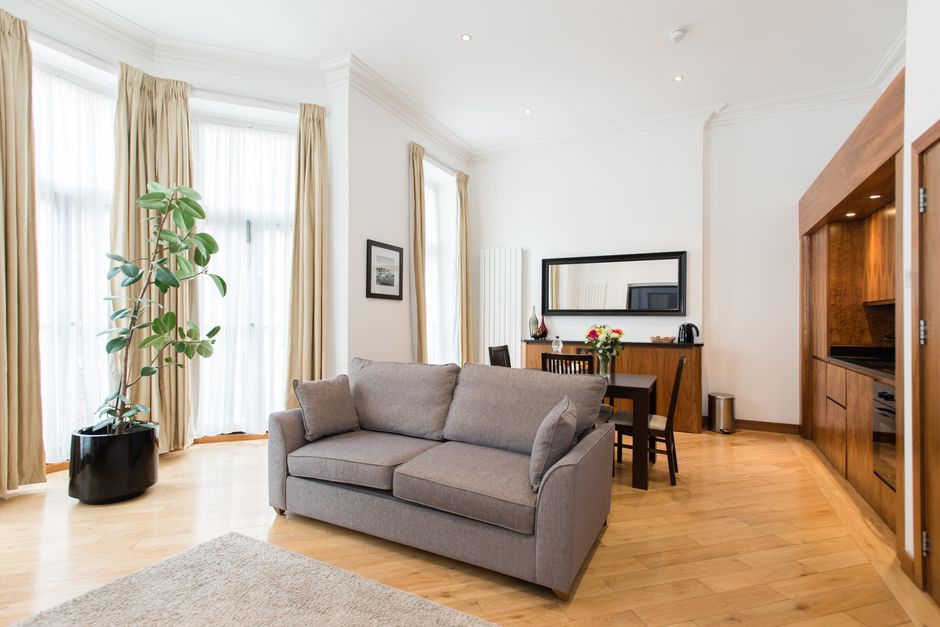
Moving from a studio into a family flat sounds simple on paper. More space, more boxes, maybe a bigger sofa, and that's that. In real life, though, it can be a bit more layered than people expect. This Studio-to-Family Flat Move: A West Kensington Case Study looks at what changes when a compact one-room setup becomes a proper multi-room home in a busy London area where parking, stairwells, timing, and building access all matter.
If you are planning a similar move, or you are just trying to work out what actually needs to happen, this guide walks through the practical side of it: planning, packing, access, risk reduction, and how to make the move feel less like a scramble. West Kensington has its own rhythm, and if you know the local realities, the whole process becomes easier. Not effortless, mind you. Just easier.
We will cover what this type of move really involves, why it matters, the decisions that shape the outcome, and the common mistakes that can turn a straightforward relocation into a long day with too much lifting and not enough tea.
- Why this type of move matters in West Kensington
- How the move typically works
- Practical benefits and advantages
- Who this move is for
- Step-by-step moving guidance
- Expert tips for a smoother move
- Mistakes to avoid
- Tools, resources and recommendations
- Local compliance and best practice
- Options and comparison table
- Case study example
- Practical checklist
- Conclusion
- Frequently asked questions
Why Studio-to-Family Flat Move: A West Kensington Case Study Matters
A studio-to-family flat move is not just a bigger version of a normal home move. It changes the whole shape of the job. A studio often means fewer items, tighter pathways, simpler inventory, and less furniture to dismantle. A family flat usually means more rooms, more personal belongings, more fragile items, and a lot more decisions about what stays, what goes, and what needs careful handling.
In West Kensington, those differences are magnified by the local environment. You may be dealing with Victorian conversions, narrow communal staircases, shared entrances, controlled parking, and neighbours who would quite like the lift to remain free, thank you very much. That's why a case study approach is useful. It shows how the move works in practice, not just in theory.
It also matters because people often underestimate the jump from compact living to family-space living. A studio move can be completed with a simple van and a couple of people. A family flat move may need a more structured plan, furniture protection, loading coordination, and sometimes a larger vehicle or a more experienced removals team. The mistake is assuming the move is mostly about transport. It is not. It is about flow - from packing to access to unloading to setup.
For local residents, the value is straightforward: fewer delays, less stress, fewer damaged items, and a much better chance of settling into the new flat without feeling wrung out by the process.
How Studio-to-Family Flat Move: A West Kensington Case Study Works
At its core, this type of move follows a simple sequence. But the details matter, and they matter quite a lot.
First, there is the inventory stage. In a studio, you might be looking at a bed, desk, small wardrobe, kitchen basics, and personal boxes. In a family flat, you quickly add more furniture, more clothing, children's items, bulkier storage pieces, and items that are awkward to carry through tight corners. If you have lived in a small space for a while, you may also have hidden more things than you realise. There is always one cupboard that tells the truth.
Next comes planning the access. This is often where London moves can get tricky. In West Kensington, building access might involve stairs, basement entrances, shared hallways, or parking restrictions that affect how close a van can stop. If a vehicle cannot park nearby, every extra metre becomes a time and labour issue. That is one reason local planning matters so much.
Then comes packing. A family flat move usually benefits from a room-by-room packing method, with clear labels and priority items separated from general boxes. The goal is not just to get things into boxes. It is to make unpacking manageable. In our experience, that makes a huge difference on day one, when you are tired and slightly living out of a kettle and a phone charger.
Finally, there is loading, transport, and unloading. Larger items may need disassembly. Fragile items may need layered protection. If the new property has a different layout or tighter access, the unloading order needs thought. Bedrooms first? Kitchen essentials first? Children's room first if they need to settle quickly? These choices change how the first evening feels.
If you want to see how a broader home move is handled, the service overview for home moves is a useful place to understand the general process, while more specialised planning support can be paired with packing and unpacking services when the job needs extra structure.
Key Benefits and Practical Advantages
A well-managed studio-to-family flat move brings more than simple convenience. It can improve the actual experience of moving day and set you up for a calmer first week in the new place.
- Better use of time: Clear planning means less standing around while someone works out where the sofa should go.
- Lower risk of damage: Proper handling, wrapping, and lifting reduce scrapes, dents, and the dreaded corner chip on furniture you actually liked.
- Less emotional strain: A move can feel oddly personal. Good organisation gives you a bit more breathing room.
- More efficient unpacking: When boxes are labelled properly, the new flat becomes liveable faster.
- Better family routines: If children or other household members need structure, a fast and orderly setup helps everyone settle in.
There is also a quieter benefit people often overlook: a better move preserves momentum. Once the boxes are in the right rooms, you can actually start living. That sounds obvious, but it is a big deal when you are juggling work, school runs, or just the general chaos of real life.
For local moves that involve heavy furniture or awkward access, a service such as man and van can suit lighter moves, while larger or more demanding relocations may call for a more robust option like house removalists. The right choice depends on volume, building access, and how much help you want on the day.
Who This Is For and When It Makes Sense
This kind of move is ideal for people who are upgrading from a one-room or compact setup into a family flat with separate living areas, bedrooms, and more storage. That includes couples expecting a child, small families wanting more space, flat sharers reconfiguring into a household, or anyone moving into a larger property after a period of minimal living.
It also makes sense when the move involves a noticeable increase in furniture or household complexity. If your current place contains only a few key items, you may not need a full-scale service. But if you are moving beds, wardrobes, dining furniture, appliances, and several years' worth of personal items, the logistics change quickly.
West Kensington-specific situations often include:
- moves between converted flats and purpose-built apartments
- tight staircases and shared entrances
- parking permissions and loading timing issues
- busy roads where vehicle access needs careful coordination
- short-distance relocations that still need professional handling
It is also worth saying that a short move does not always mean an easy move. A few streets can be harder than a long-distance relocation if access is awkward. Funny how that works.
Step-by-Step Guidance
Here is the practical sequence we would recommend for a smooth studio-to-family flat move in West Kensington. Nothing fancy. Just the bits that actually help.
- Walk through both properties
Measure main furniture, check stair width, note entrance constraints, and look for any obvious access issues. If the bed frame barely fits a corridor, you want to know before moving day. - Make a clear inventory
List large furniture, boxes, fragile items, and anything needing dismantling. This helps with vehicle size, packing time, and the order of loading. - Sort and declutter
Do not bring clutter into a larger home just because you now have room for it. That temptation is real. And expensive in the long run. - Pack room by room
Keep kitchen, bedroom, children's items, and daily essentials separate. Label boxes in plain English, not mystery shorthand only you understand at 8:30 p.m. - Protect furniture properly
Use blankets, wraps, and corner protection for fragile or valuable items. Dismantle what can reasonably be taken apart. - Plan access and timing
Confirm parking arrangements, lift use, entry codes, and building rules. If the van can only park at one side of the road, build that into the schedule. - Load strategically
Place heavy items securely first, protect breakables, and keep essentials accessible if they will be needed immediately on arrival. - Unpack the right rooms first
Usually this means beds, kitchen basics, toiletries, and children's essentials. Comfort first. Decorative stuff later.
If you are moving on a tighter timeline, a local option such as same-day removals in West Kensington for urgent moves may be relevant. For urgent planning and price visibility, you may also find same-day removal quotes in W14 helpful when availability is tight.
Expert Tips for Better Results
Here is where a bit of experience saves a lot of sweat.
- Book the move around access, not just around your diary. A convenient time for you may be a bad time for parking or building access.
- Keep a small essentials box with you. Charger, medication, toilet roll, tea bags, snacks, basic tools, and keys. You will thank yourself later.
- Separate sentimental items. Passport, documents, jewellery, keepsakes. Keep them where you can see them.
- Measure before dismantling. Some furniture does not need to come apart. Some absolutely does. No guesswork.
- Protect the floors and walls. Freshly painted hallways and heavy furniture are not a happy combination.
- Use box labels that reflect priority. "Kitchen - Day 1" is much better than "Miscellaneous 3".
One small but useful trick: pack the items you use least first, but label them with the room they should go into next. It sounds obvious, but under pressure people forget. Happens all the time.
For fragile or awkward items, especially in a family move, it can help to use specialist handling advice. If you have bulky or tricky furniture, the guidance in large furniture removals in West Kensington is worth reading. And if you are moving into a tighter layout, the practical tips in dealing with narrow staircases in Victorian West Kensington homes can save you a headache.
Common Mistakes to Avoid
Some moving mistakes are dramatic. Others are tiny and annoying and somehow make the whole day feel twice as long.
- Underestimating the volume: A studio can hide a surprising amount of stuff. By the time you are halfway through, the place looks empty and somehow still full.
- Not checking access in advance: Shared entrances, narrow corridors, and parking limitations can slow everything down.
- Poor packing discipline: Randomly packed boxes cause confusion and breakages. It is the classic moving-day trap.
- Leaving essential items in the wrong place: If the kettle, bedding, or children's belongings are buried, the first night becomes harder than it needs to be.
- Ignoring disposal needs: Old wardrobes, broken chairs, and duplicate storage units need a plan. They do not vanish out of sheer optimism.
- Choosing the wrong vehicle size: Too small and you need extra trips. Too large and access may be awkward. Balance matters.
There is also a timing issue people often miss. A move that starts late can run into traffic, building quiet hours, or simply fatigue. You do not want to be carrying a mattress while the evening light is fading and everyone is hungry. That is not the moment to discover the missing Allen key.
If decluttering is part of the job, the article on decluttering before a big move is a sensible companion read. And if you are getting rid of bulky furniture, the piece on wardrobe disposal in West Kensington W14 can help you think through the practical side.
Tools, Resources and Recommendations
You do not need a mountain of equipment to manage a move well, but the right tools make a noticeable difference.
| Item | Why it helps | Best used for |
|---|---|---|
| Strong boxes | Keep items organised and easier to stack | Books, kitchenware, clothing, household items |
| Packing tape and labels | Makes rooms and priorities instantly clear | Every packed box, really |
| Protective blankets/wraps | Reduces scratches and chips in transit | Furniture, mirrors, appliances |
| Trolley or moving dolly | Helps with heavier items and reduces strain | Boxes, appliances, compact furniture |
| Screw bags and small containers | Keeps fixings together for reassembly | Bed frames, wardrobes, shelving |
On the service side, local moving support can be matched to the size of the job. For smaller loads, a man with van option may be enough. If you need more capacity, consider moving truck support or even removal truck hire for heavier household content. There is no prize for using a bigger setup than you need, but there is also no medal for squeezing too much into too little space.
Helpful reading can also include packing efficiently when relocating and tips for a seamless and calm house move. Those pieces are practical, plain-speaking, and worth a look if you want a little less chaos on the day.
Law, Compliance, Standards, or Best Practice
For a home move in West Kensington, the main compliance issues are usually practical rather than complicated, but they still matter. You may need to think about building rules, parking controls, access permissions, and safe lifting practices. Some managed buildings have specific moving hours or lift protection requirements. Others expect residents to give advance notice. It is better to ask than to assume.
Waste disposal is another area where people can get caught out. If you are leaving items behind, make sure they are disposed of properly and not abandoned in communal areas or on the street. Local waste rules can be strict, and fly-tipping is not something you want to find yourself dealing with. A sensible starting point is to plan disposal before moving day rather than after the van has left.
Health and safety is the quiet backbone of a good move. Safe lifting, proper team coordination, and taking care around stairs and doorframes are not just nice extras. They are part of doing the job properly. Heavy or awkward items should be moved with care, and if something feels too bulky or unstable for a DIY attempt, it probably is.
There may also be leasehold or tenancy conditions that affect moving time, noise, or damage prevention. Nothing dramatic, just the usual fine print that can become a nuisance if ignored. Best practice is simple: check the property rules early, communicate clearly, and keep a bit of buffer in the schedule.
If your move overlaps with rubbish clearance or local disposal challenges, the guide on avoiding council fines and West Kensington waste flytipping rules is a sensible reference point. For access issues, parking suspension guidance for West Kensington moves can help you understand why timing matters so much.
Options, Methods, or Comparison Table
Not every studio-to-family flat move needs the same approach. The right method depends on volume, access, timing, and how hands-on you want the day to be. Here is a simple comparison to help you think it through.
| Option | Best for | Pros | Watch out for |
|---|---|---|---|
| Man and van | Small to moderate loads, short local moves | Flexible, cost-effective, straightforward | May not suit larger furniture volumes or complex access |
| Man with van | Light household moves, a few bulky items | Good for compact relocations and quick turnaround | Can be stretched by family-flat volumes |
| Full removals team | Larger moves, heavy furniture, multi-room homes | More support, better coordination, less strain | Usually costs more, but often saves time and hassle |
| Removal truck hire | Large loads with a clear loading plan | More capacity, useful for bulky items | Access and parking must be checked carefully |
If you are moving from a very compact studio and have already decluttered, a lighter option may be enough. If the new family flat means beds, wardrobes, sofas, tables, and several sets of household contents, a fuller service becomes more sensible. To be fair, the right answer usually appears once you list everything properly. Until then, people tend to underestimate.
Case Study or Real-World Example
Here is a realistic West Kensington scenario that illustrates how these moves often unfold.
A couple moves out of a studio near Lillie Road into a larger family flat a short distance away. Their current place is tidy but packed: a bed, desk, compact sofa, a wardrobe, kitchen items, and a lot of boxes that have gradually multiplied over time. The new flat has two bedrooms, a larger lounge, and a kitchen with more usable storage. Great news, really. But the move still needs care.
Before moving day, they measure doorways and stair width at both ends. They find that the wardrobe will need dismantling and the sofa may need to be turned at an awkward angle in the hallway. They also realise parking at the new building is limited to a small loading window. That one detail shapes the rest of the plan.
They sort belongings into three groups: essentials, fragile items, and general household goods. The essentials box contains kettle, mugs, phone chargers, toiletries, bedding, a change of clothes, and snacks. That box is kept separate. Smart move, because nobody wants to be searching for pillowcases after dark.
On the day itself, the loading sequence matters. Heavier furniture goes in first, with soft protection around corners. Fragile boxes are stacked safely and not buried. At the new flat, the team places bedroom furniture first so the family can sleep that night without fuss, then kitchen items, then living room pieces. Not glamorous. Just effective.
The result is a much calmer first evening. The flat is not fully finished, of course - moving never is - but the household can function. Beds are up, the kettle works, the children's items are accessible, and the new place already feels like home rather than a pile of labels and decisions.
That is the real value of good moving practice. It turns a hard day into a manageable one.
Practical Checklist
Use this checklist to keep the move on track. It is simple, but simple is good when your brain is already full.
- Measure large furniture and key access points in both properties
- Confirm parking, loading access, and any building rules
- Create a clear inventory of rooms, boxes, and bulky items
- Declutter before packing so you do not move unnecessary items
- Pack fragile items with proper protection and clear labels
- Keep documents, valuables, and essentials with you
- Dismantle only the furniture that genuinely needs it
- Prepare floor and wall protection where needed
- Plan disposal or donation for unwanted items
- Unpack beds, kitchen basics, and family essentials first
Expert summary: The best studio-to-family flat moves are not the fastest ones. They are the ones where the volume is understood early, access is checked properly, and the first night in the new home feels calm rather than chaotic. That is the sweet spot.
If you are still deciding how much support to book, it can help to compare your own inventory with the options above and then choose the least stressful route, not just the cheapest. A well-matched service often saves more time than it costs. And sometimes your own back, which is nice.
Get a free quote today and see how much you can save.
Conclusion
A studio-to-family flat move in West Kensington is really a story of scale. The jump from one room to several changes how you pack, how you schedule, how you load, and how quickly you settle into the new space. Get the planning right, and the move feels organised. Miss the details, and even a short local relocation can become messy fast.
The good news is that most of the pressure is avoidable. A clear inventory, realistic access checks, sensible packing, and the right level of moving support go a long way. If you treat the move as a project rather than a last-minute lift-and-shift, you give yourself a much better chance of a calm transition.
And honestly, that first quiet evening in the new flat - kettle on, boxes lined up, windows open a touch, children settled or the telly humming in the background - that is when the work starts to feel worth it.
Frequently Asked Questions
What is a studio-to-family flat move?
It is a move where someone relocates from a studio or compact single-room home into a larger family flat with more rooms, more furniture, and usually more belongings to manage.
Why is West Kensington a tricky area for moving?
West Kensington often has parking constraints, shared entrances, tight staircases, and a mix of older and newer buildings. That means access planning can be just as important as the move itself.
Do I need a full removals team for this kind of move?
Not always. If the load is small and access is easy, a man and van service may be enough. For larger household contents or awkward furniture, a fuller removals team is often the safer choice.
How far in advance should I plan the move?
As early as possible. Even a local move benefits from advance planning, especially if parking permissions, building access, or packing help are involved. A little lead time makes everything smoother.
What should I pack first when moving from a studio to a family flat?
Start with non-essential items, seasonal belongings, and duplicates. Keep daily-use items, documents, chargers, toiletries, and bedding separate so the first night is easier.
How do I avoid damage to furniture in a narrow building?
Measure doorways and staircases, dismantle larger items where appropriate, and use protective wraps or blankets. Careful handling and a good loading plan make a big difference.
Is it worth decluttering before a family flat move?
Yes, absolutely. Moving into a bigger flat is not a reason to keep everything. Decluttering saves time, reduces costs, and makes the new home easier to organise.
What if I need to move quickly?
Urgent moves can still be managed well if you focus on essentials, keep the inventory simple, and choose a service that has local crew availability. The trick is not to panic-pack. Easy said, I know.
Should I arrange parking or loading access in advance?
Yes. In London, access can change the whole move. If parking is limited or a building has specific rules, confirming that early helps prevent delays and extra stress on the day.
Can packing and unpacking help make the move easier?
Definitely. Packing and unpacking support can save time, reduce breakages, and help you settle into the family flat faster. It is especially useful when the move includes lots of household items or fragile belongings.
What is the biggest mistake people make with this kind of move?
Underestimating how much there is to move. A studio can contain more than people think, and a family flat move becomes complicated fast if the volume, access, and timing are not planned properly.
How do I make the first night in the new flat less stressful?
Keep an essentials box with bedding, toiletries, chargers, tea, snacks, and any family must-haves. Set up beds and kitchen basics first so the property feels liveable straight away.